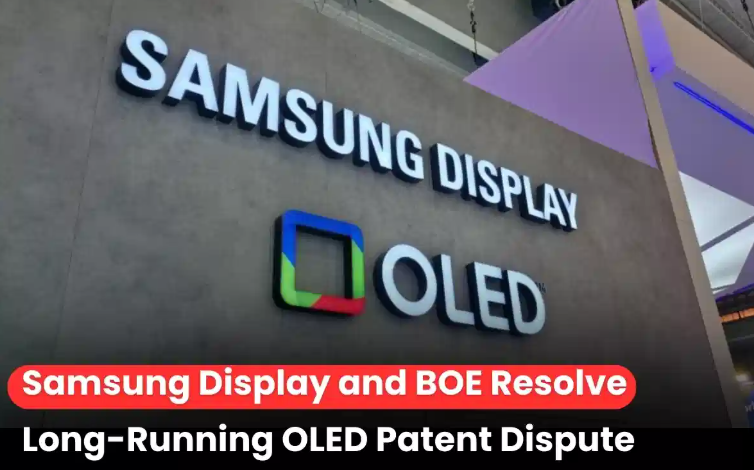
Samsung Electronics is reportedly preparing to revive its working relationship with China’s largest display manufacturer, Beijing Orient Electronics (BOE). If the latest industry reports are accurate, BOE could soon supply OLED panels for Samsung Galaxy smartphones and LCD panels for Samsung smart TVs, marking a major shift in Samsung’s display sourcing strategy.
This development is significant because it comes after a prolonged legal dispute and a noticeable cooling of ties between the two tech giants. A renewed partnership could reshape Samsung’s supply chain, influence smartphone pricing, and impact the global display market.
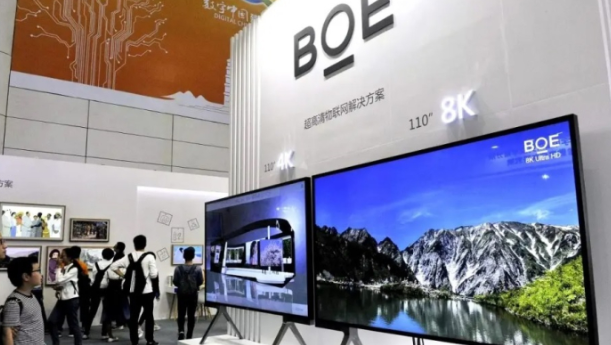
Samsung and BOE: A Relationship That Once Stalle
Samsung and BOE were not always on opposing sides. In the past, BOE supplied OLED panels for Samsung’s budget and entry-level Galaxy smartphones, helping Samsung manage production costs while maintaining competitive pricing.
However, this relationship took a sharp turn last year following a patent dispute involving Samsung Display, Samsung’s display manufacturing arm. The disagreement reportedly led to strained relations, forcing Samsung Electronics to scale back orders from BOE. As a result, BOE’s role in Samsung’s supply chain dropped dramatically, especially in the TV segment.
During this period, Samsung turned to alternative suppliers, including Tianma, another Chinese display manufacturer, though only in limited quantities
Recent High-Level Talks Signal a Possible Reset
According to a report by South Korean publication DealSite, the situation may now be changing. BOE Chairman Chen Yanshun recently met with top Samsung executives, including TM Roh, President and Head of Samsung’s DX Division and MX Business.
Industry sources claim the discussions were broad and strategic. They reportedly covered:
- Large LCD panels for Samsung smart TVs
- Small-sized OLED panels for Galaxy smartphones
These talks suggest that both companies are exploring ways to move past earlier disputes and rebuild cooperation in a more diversified and scalable manner.
BOE’s Ambitions Go Beyond Entry-Level Smartphones
While BOE previously supplied displays only for Samsung’s lower-end Galaxy models, the company is now aiming higher. Reports suggest BOE is pushing to supply OLED panels for mid-range and potentially premium Galaxy smartphones.
That said, there is no confirmation that Samsung has agreed to use BOE panels in its flagship devices. Samsung is known for maintaining extremely strict quality standards, particularly for its premium Galaxy S and Galaxy Z series, where display performance is a key selling point.
Still, BOE’s growing experience strengthens its case. The Chinese manufacturer already supplies OLED panels to major brands such as Oppo, Vivo, and Huawei, and is even a limited supplier for select iPhone models, indicating that its technology has matured significantly.
TV LCD Panel S Increase
BOE is also reportedly seeking to expand its role in Samsung’s television business. Before the legal fallout, BOE supplied around 10 million LCD TV panels per year to Samsung Electronics.
After the dispute, that figure reportedly dropped to around 1 million units annually, a steep decline that affected BOE’s presence in the global TV supply chain.
If the partnership is restored, BOE could once again become a major supplier of LCD panels for Samsung’s smart TVs, helping Samsung stabilize production costs in an increasingly competitive market.
Why Timing Matters: Global RAM Shortage and Cost Pressures
The timing of these discussions is particularly noteworthy. The global electronics industry is currently dealing with a RAM and memory component shortage, which has driven up manufacturing costs for smartphones, TVs, and other consumer electronics.
OEMs like Samsung are facing a tough choice:
- Absorb rising costs and reduce profit margins
- Or pass higher prices on to consumers
Diversifying display suppliers is one way Samsung could offset rising component costs. By sourcing panels from BOE alongside existing suppliers, Samsung may be able to negotiate better pricing and reduce dependence on any single manufacturer.
What This Means for Consumers
If Samsung successfully brings BOE back into its supply chain, consumers could see indirect benefits:
- More stable pricing for Galaxy smartphones and smart TVs
- Better availability, especially during peak demand periods
- Faster product launches, thanks to improved supply flexibility
However, any impact on pricing will likely depend on whether savings from display components are enough to counterbalance rising memory and chipset costs.
Strategic Implications for the Display Industry
A renewed Samsung-BOE partnership could have ripple effects across the global display market. BOE’s re-entry into Samsung’s ecosystem would:
- Strengthen China’s position in the OLED and LCD supply chain
- Increase competition for other display manufacturers
- Encourage faster innovation and cost optimization
For Samsung, working with multiple suppliers also reduces risk, especially during global supply disruptions.