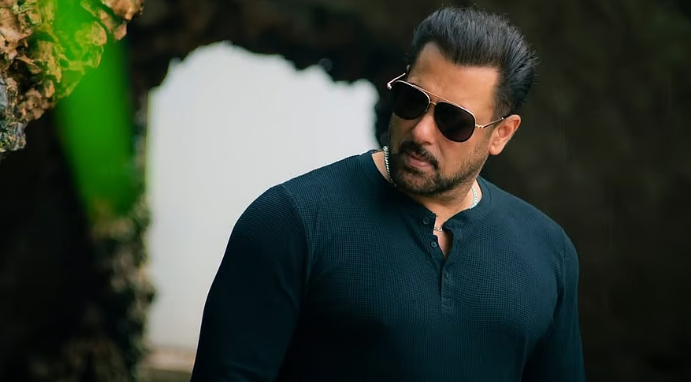
Bollywood’s megastar Salman Khan has taken a decisive step to protect his identity in the digital age. He has filed a petition in the Delhi High Court, asking for legal safeguards against the unauthorized use of his name, image, voice, and likeness. In simple terms, he wants to ensure that no company, website, or social media platform can profit from his persona without his consent.
This move is not just about one actor’s reputation. It reflects a larger battle that celebrities across India are fighting to reclaim control over their identities in a world where technology makes imitation and exploitation easier than ever.
Why Personality Rights Matter for Salman Khan
Personality rights, sometimes called publicity rights, give individuals the legal authority to decide how their personal attributes are used. For celebrities, these rights are crucial because their fame is directly tied to commercial value. A star’s face on a product or their voice in an advertisement can instantly boost sales. But when these attributes are used without permission, it creates false endorsements and misleads the public.
Imagine stumbling upon an online store selling fitness supplements with Salman Khan’s photo plastered across the packaging. Fans might assume he endorses the product, when in reality he has no connection to it. That’s the kind of misuse his petition aims to stop. It’s not just about protecting his brand—it’s about protecting consumers from being misled.
The Digital Age Challenge
The urgency of Salman’s plea comes from the rise of deepfakes, AI‑generated content, and impersonation scams. Technology today can replicate a celebrity’s voice, create realistic fake videos, or churn out merchandise featuring their image—all without their knowledge.
For someone like Salman Khan, whose popularity spans decades and whose fan base is massive, the risks are multiplied. A fake video of him endorsing a financial scheme could spread rapidly online, tricking thousands of fans. Beyond financial loss, such misuse could damage his credibility and public trust. His petition is essentially a call to the courts to recognize that identity theft in the digital era is not just a nuisance—it’s a serious legal and ethical problem
A Growing Trend Among Celebrities
Salman Khan is not alone in this fight. In recent weeks, the Delhi High Court has granted interim protection to several other high‑profile personalities. The list includes Aishwarya Rai Bachchan, Abhishek Bachchan, Jaya Bachchan, Hrithik Roshan, Ajay Devgn, Karan Johar, Kumar Sanu, Nagarjuna, spiritual leader Sri Sri Ravi Shankar, journalist Sudhir Chaudhary, and entrepreneur Raj Shamani.
This wave of petitions shows that celebrities are increasingly aware of the dangers of identity misuse. They are turning to the judiciary to safeguard their reputations and ensure that their likeness is not exploited for commercial gain without consent.
Implications for the Entertainment Industry
The entertainment industry thrives on endorsements, brand deals, and merchandising. When celebrities’ identities are misused, it undermines the value of legitimate partnerships. For example, if a brand invests heavily in signing Salman Khan for an official campaign, but consumers are simultaneously exposed to unauthorized merchandise featuring his image, the brand’s investment loses impact.
By enforcing personality rights, courts can help maintain the exclusivity and authenticity of celebrity endorsements. This not only protects the stars but also ensures fairness for the companies that invest in genuine collaborations.
The Court’s Role and Future Outlook
The Delhi High Court’s willingness to grant interim protection to multiple celebrities signals a shift in how the judiciary views personality rights. These rights are no longer abstract concepts—they are tangible assets that need legal safeguards.
Salman Khan’s petition, scheduled for hearing in December, could set a strong precedent. If the court rules in his favor, it may establish clearer boundaries against unauthorized use of celebrity identity. This could encourage more public figures to assert their rights and push lawmakers to consider comprehensive legislation on personality rights in India.
Beyond Celebrities: A Broader Issue
While the spotlight is on celebrities, the issue of identity misuse affects ordinary people too. Deepfake videos, voice cloning, and impersonation scams are not limited to the famous. Anyone can be targeted. By strengthening personality rights for public figures, courts also set the stage for broader protections that could benefit society at large.
Conclusion
Salman Khan’s legal action is more than just a personal battle—it’s part of a larger movement to safeguard identity in a rapidly evolving digital landscape. Personality rights are becoming central to discussions about privacy, intellectual property, and commercial integrity.
By joining the ranks of Aishwarya Rai Bachchan, Hrithik Roshan, Ajay Devgn, and others, Salman Khan has amplified the call for stronger safeguards against misuse of celebrity identity. His petition is not just about protecting his own brand—it’s about setting a precedent that ensures fairness, authenticity, and respect for personal identity in the entertainment industry and beyond.
As technology continues to advance, the protection of these rights will only grow in importance. Salman Khan’s case may well be remembered as a turning point in how India addresses the challenges of identity in the digital age.