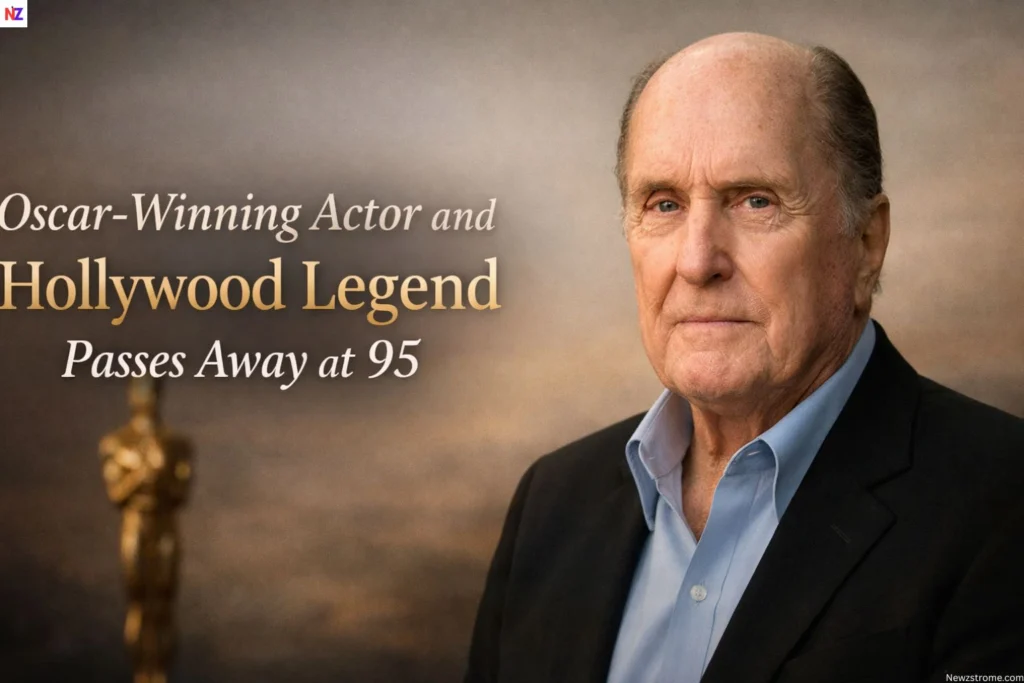
Hollywood has bid farewell to one of its most respected and enduring performers, as veteran actor Robert Duvall passed away at the age of 95. The news was confirmed by his wife, Luciana Duvall, who shared that the legendary actor died peacefully at home, leaving behind a remarkable legacy that shaped modern cinema.
A Career That Spanned Generations
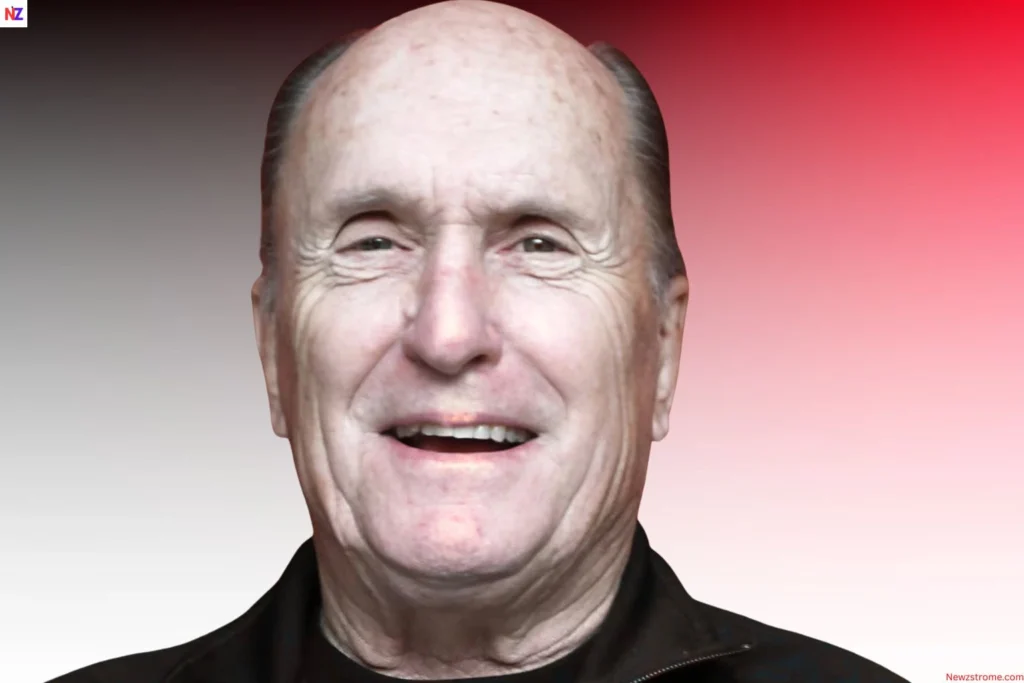
Over a career lasting more than six decades, Duvall built a reputation as one of the most versatile and disciplined actors in Hollywood. Known for his grounded performances and deep commitment to authenticity, he successfully balanced lead and supporting roles across films, television, and directing projects.
His Academy Award-winning performance in Tender Mercies remains one of the most powerful portrayals of redemption in cinema history. Playing a struggling country singer seeking purpose and healing, Duvall delivered a performance widely praised for its emotional depth and realism. The role earned him the Oscar for Best Actor and further solidified his standing among Hollywood’s elite performers.
Defining Roles That Shaped American Cinema
Among his most iconic roles was Tom Hagen in The Godfather and its sequel. The film, directed by Francis Ford Coppola, remains a cornerstone of cinematic storytelling. Duvall’s portrayal of the calm, intelligent mob lawyer became one of the most memorable characters in the franchise and contributed significantly to the film’s lasting cultural impact.
Another unforgettable performance came in Apocalypse Now, where he played the eccentric Lieutenant Colonel William Kilgore. His portrayal gave audiences one of the most quoted lines in movie history, highlighting his ability to balance intensity with unique character nuance. The role earned him another Oscar nomination and showcased his remarkable range as an actor.
Early Breakthrough and Rise to Stardom
Duvall’s journey to success began with his breakthrough role as Boo Radley in To Kill a Mockingbird, adapted from the novel by Harper Lee. Despite limited screen time, his performance left a lasting impression and opened doors to larger opportunities in the industry.
Throughout the 1970s, he continued to deliver powerful performances, including his role in Network, where he portrayed a ruthless corporate executive navigating the media world. He further demonstrated his versatility in The Great Santini, playing a strict and emotionally complex Marine officer. Both performances earned critical acclaim and additional award nominations.
Television Success and Personal Favourite Role
While widely celebrated for his film work, Duvall also found success in television. His portrayal of Augustus McCrae in Lonesome Dove, based on the novel by Larry McMurtry, became one of his most cherished roles. The performance received widespread praise for its warmth, humour, and emotional depth, earning him recognition from both critics and audience
A Performer Dedicated to Craft Over Glamour
Duvall was known for avoiding Hollywood’s flashy lifestyle, preferring to focus on storytelling and character development. He often spoke about the importance of research and preparation in his acting process. In a memorable conversation with Larry King, he emphasised how deeply he immersed himself into each role, a practice that became a defining feature of his performances.
Beyond acting, he also stepped into directing and producing, contributing further to the entertainment industry and mentoring younger talents along the way.
Remembering a True Cinema Legend
Robert Duvall’s contribution to cinema extends far beyond awards and accolades. His performances influenced generations of actors and filmmakers, proving that powerful storytelling often comes from subtle, authentic portrayals rather than dramatic spectacle.
As Hollywood mourns the loss of a legendary artist, his extensive body of work continues to inspire audiences worldwide. From crime dramas to war epics and heartfelt character studies, Duvall’s films remain timeless examples of cinematic excellence. His legacy stands as a reminder of dedication, discipline, and the enduring power of exceptional acting.