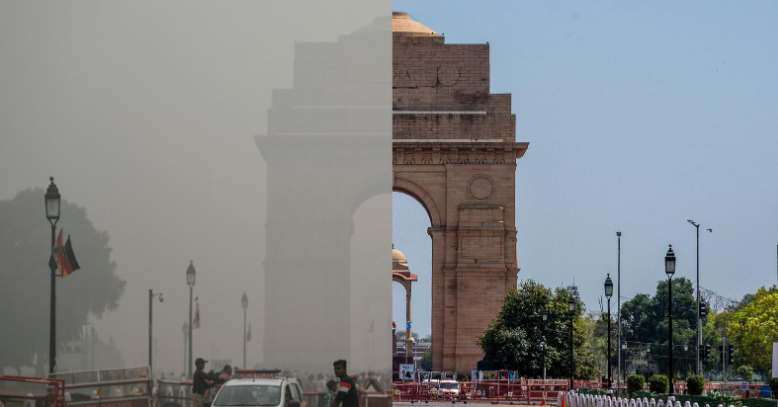
Pollution now affects our health, cities, and future on a daily basis, making it more than just an environmental problem. The effects are evident everywhere, from poisonous air to tainted water. Delhi, which frequently makes headlines across the world for having some of the worst air quality in the world, is at the center of the pollution argument among all Indian cities.
Let’s examine what pollution actually is, why Delhi suffers annually, what the Air Quality Index (AQI) stands for, and how technology can be our most effective tool in the fight against pollution in this blog article.
🏙️ Delhi Pollution: Why the Capital Struggles Every Year
Delhi’s pollution is a result of a number of interrelated issues, particularly in the winter.
Major Reasons Behind Delhi’s Pollution
1. Vehicle Emissions
In Delhi, more than one crore cars are in use. Hazardous pollutants including PM2.5 and PM10 are released by diesel cars, old engines, and traffic jams.
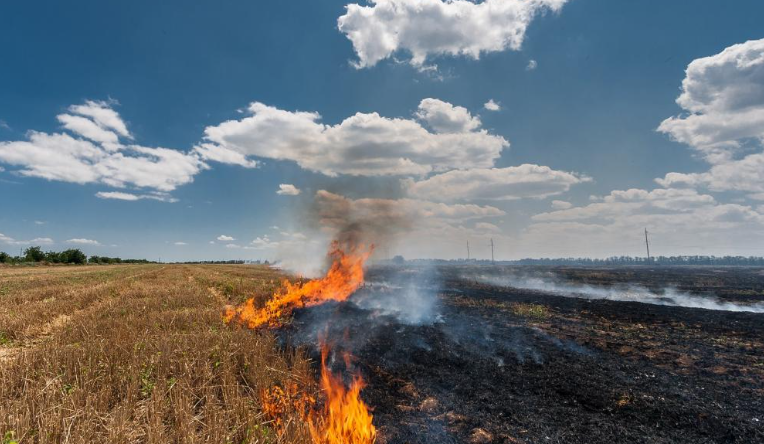
2. Stubble Burning
Every winter, farmers in Punjab and Haryana burn crop leftovers. Due to the direction of the wind, the smoke flies straight to Delhi, creating a dense layer of pollution.
3. Industrial Pollution
Particulate matter and hazardous gasses are released by factories in the NCR. Restrictions do not improve compliance.
4. Construction Dust
The pollution levels are further increased by ongoing construction, road maintenance, and dust particles.
5. Weather Conditions
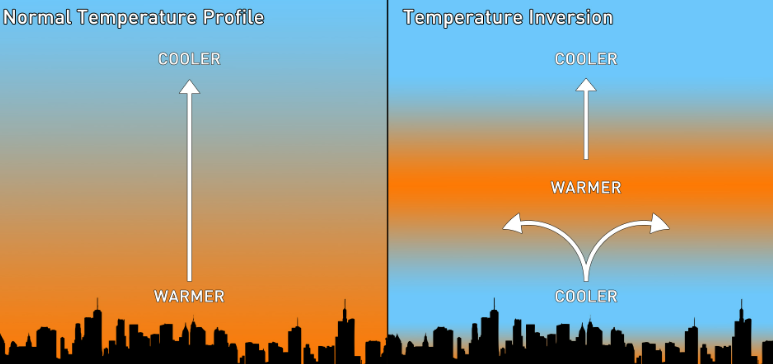
Over Delhi, winter winds slow down and trap pollutants close to the surface, forming a “pollution dome.”
🌫️ Result: AQI in Delhi Often Crosses Hazardous Levels
Delhi’s AQI regularly rises above 400–500, which is in the “Severe” range, indicating that even healthy people are at risk from the air.
📊 What Is AQI? Understanding the Air Quality Index
A scale used to gauge the quality of the air in a particular location is called the Air Quality Index (AQI). It assists humans in determining if the air is dangerous or safe to breathe.
AQI Categories
| AQI Value | Category | Health Effect |
|---|---|---|
| 0–50 | Good | Air is clean and healthy |
| 51–100 | Satisfactory | Minor discomfort |
| 101–200 | Moderate | May affect sensitive groups |
| 201–300 | Poor | Breathing discomfort |
| 301–400 | Very Poor | Health risk for all |
| 401–500 | Severe | Dangerous; serious health impact |
Even routine activities like jogging or walking might become dangerous when the AQI exceeds 300. Delhi is frequently classified as “Very Poor” or “Severe,” particularly in the winter.
🤖 How Technology Can Beat Pollution: The Future of Clean Air
Although the pollution problem may seem challenging, technology is creating new opportunities for healthier lifestyles and greener cities.
🌬️ 1. Smog Towers & Air Purification Technology
Particulate matter can be eliminated from the air using large-scale air filters like smog towers. Parts of China and Delhi already had these installed.
They function by drawing in contaminated air, purifying it, and then releasing clean air.
🚗 2. Electric Vehicles (EVs)
Carbon emissions are significantly reduced when gasoline and diesel vehicles are replaced by electric vehicles. By 2025, 25% of all cars should be electric, according to Delhi’s EV policy.
📡 3. Satellite Monitoring & Smart Sensors
AI-powered sensors and satellite information can:
Track pollution in real time
Forecast an increase in pollutant levels
Assist authorities in acting right away
Monitor hotspots for stubble burning
🏭 4. Clean Energy Solutions
Dependency on coal is lessened by solar and wind energy. Schools, companies, and homes are gradually switching to renewable energy.
🤖 5. AI & Machine Learning for Prediction
Based on industrial, weather, and traffic data, AI can predict pollution levels. This aids governments in enforcing emergency or temporary prohibitions.
🌱 6. Green Technology
- Gardens that are vertical
- Plants that cleanse air
- Sustainable construction materials
These developments aid in the micro-level reduction of pollution.
🧑🤝🧑 What We Can Do as Individuals
✔ Use public transport or carpool
✔ Avoid burning waste
✔ Plant more trees
✔ Conserve electricity
✔ Use eco-friendly products
✔ Keep vehicles serviced and pollution-checked
💬 Conclusion: Pollution Can Be Defeated—With Awareness and Technology
One of the most significant issues of our day is pollution, yet it is not insurmountable. Delhi’s struggle highlights the urgency of the problem, and knowing AQI enables us to make wise choices. We can make progress toward a cleaner, healthier, and more intelligent future with the aid of technology, including EVs, AI prediction systems, smog towers, and renewable energy.
The speed at which we embrace sustainable technologies, modify our habits, and accept solutions will determine the future.