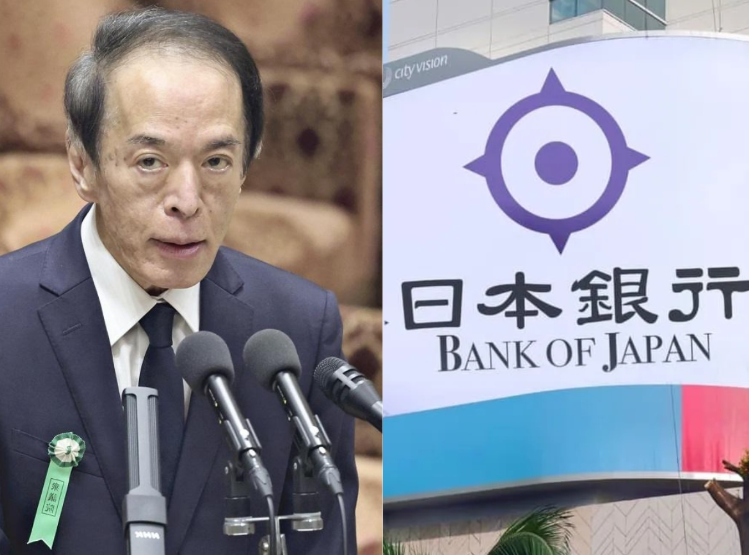
For about thirty years, Japan has been living in a different economic world. After a huge financial bubble burst in the early 1990s, the country got stuck in a rut of falling prices, known as deflation. When people think things will be cheaper tomorrow, they stop spending today. That kills growth. To fight this, the Bank of Japan (BOJ) did something extreme: it made borrowing money almost completely free. For years, its main interest rate was at zero, or even slightly negative. The goal was to shock people and businesses into spending and investing, to get the economic engine running again.
Why Change Now After All This Time?
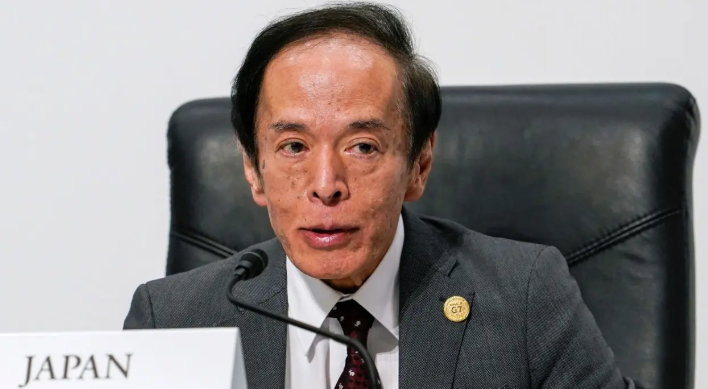
For decades, no matter what the BOJ tried, prices wouldn’t rise in a healthy way. Then, the pandemic happened. Like everywhere else, the cost of imported energy and food shot up. But this time, something else stuck: workers started getting meaningful pay raises after years of stagnation. The BOJ’s boss, Kazuo Ueda, now sees a real chance that Japan might finally have a sustainable cycle where wages and prices rise together, which is what a normal, growing economy looks like.
The final nudge was that the weak Japanese Yen was starting to hurt. The Yen has been very cheap compared to the US dollar. That makes every imported item—from gas to groceries—more expensive for Japanese people, pushing inflation in a painful way. Raising interest rates can help strengthen the Yen, making those imports cheaper and cooling off some of that price pressure.
Walking a Very Fine Line
This is where it gets tricky. The BOJ is raising rates while the Japanese economy itself isn’t exactly booming. It actually shrank last quarter. The bank is betting that the future looks bright enough (with better wages and business sentiment) to handle a slightly higher cost of borrowing. They are trying to get ahead of the inflation problem without crushing the fragile recovery.
It’s a delicate balancing act. If they raise rates too fast or too high, they could scare everyone back into not spending, killing the recovery and bringing back deflation. But if they do nothing, the weak Yen could keep making life expensive for households, and inflation could run away from them.
What This Means for Everyday People

For the average person in Japan, this change has two sides.
On one hand, if you have savings in the bank, you might finally earn a tiny bit of interest on it. For retirees living off their nest egg, this is a small piece of good news after decades of nothing.
On the other hand, loans become more expensive. This hits new homebuyers looking for a mortgage, or businesses wanting to borrow to expand. Monthly budgets could feel a little tighter.
The BOJ’s hope is that the good (higher wages) will outweigh the bad (slightly higher loan costs), and people will keep spending confidently.
The Ripple Effects Around the World
Japan’s move is unique because it’s happening while other big central banks, like the U.S. Federal Reserve, are done raising rates and are thinking about cutting them. Japan is stepping on the gas just as others are easing off.
This matters globally because investors have used Japan’s “free money” for years in a scheme called the “carry trade.” They borrowed cheap Yen to invest in places like the U.S. where returns were higher. As Japan’s rates slowly climb, that easy-money game becomes less profitable. This could cause big investment funds to move their money around, potentially creating waves of volatility in global stock and currency markets.
So, What's the Bottom Line?
Think of this as Japan’s central bank carefully trying to turn a page in a very long book. After a 30-year fight against the ghost of deflation, they are taking a cautious first step toward economic normality. They are signaling a belief that the country’s psychological spell of stagnant prices and stagnant pay might finally be breaking.
Governor Ueda’s message is basically: “We think we’re on the right track now, but we’re going to be incredibly careful. One step at a time.” It’s not about slamming the brakes on the economy. It’s about gently lifting a foot off the accelerator that’s been pressed to the floor for three decades, hoping the car keeps rolling forward on its own. The world is watching to see if Japan, at long last, has found its way out of the economic woods.
Disclaimer:
This narrative is solely intended for educational reasons. The opinions and suggestions are not those of Mint, Before making any financial decisions, we suggest investors to speak with qualified specialists. ( THIS POST IS FOR EDUCATIONAL PURPOSE ONLY)