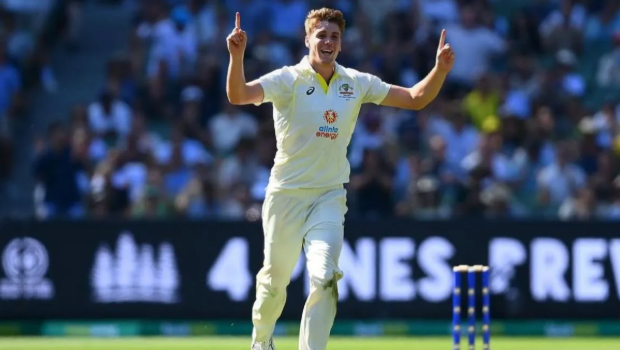
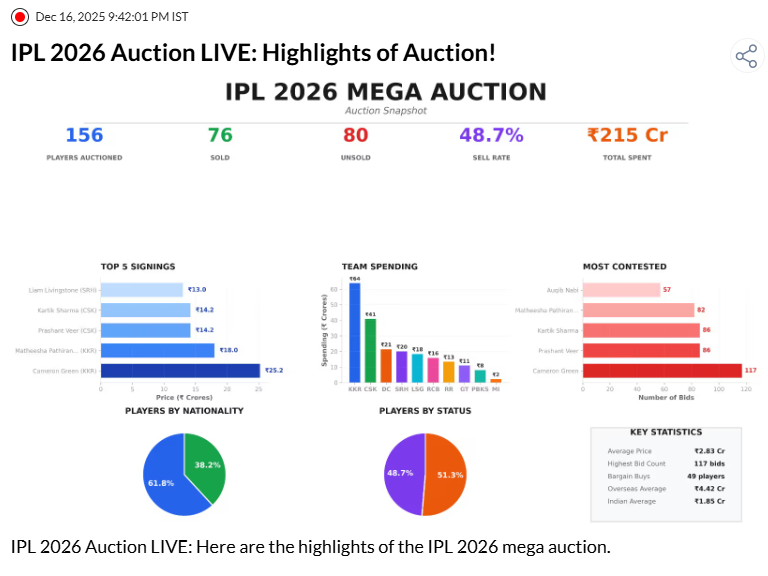
Nothing summed up the day more than Kolkata Knight Riders’ (KKR) all-out bid for Australian all-rounder Cameron Green. The IPL 2026 auction began with drama, patience, and a few stunning moments. Even though he will only receive ₹18 crore due to an overseas pay cap, Green became the third-most expensive player in IPL history and the most expensive overseas signing ever when he was acquired for an astounding ₹25.20 crore.
The auction’s true heartbeat, however, came from uncapped Indian players who not only made headlines but also changed the course of history, despite the large outside purchases.
💰 Cameron Green to KKR: A Record-Breaking Gamble
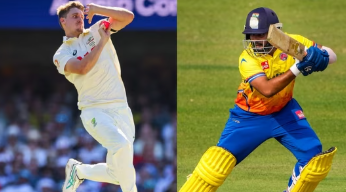
With ₹64.3 crore, KKR had the biggest purse going into the auction, and they made good use of it. After more than ten minutes of intense bidding between CSK and RR, KKR was able to finalize Cameron Green’s contract.
On the all-time IPL auction list, Green is currently just behind Shreyas Iyer (₹26.75 crore) and Rishabh Pant (₹27 crore). However, the additional ₹7.2 crore from his proposal will go to the BCCI’s player welfare fund because of IPL regulations.
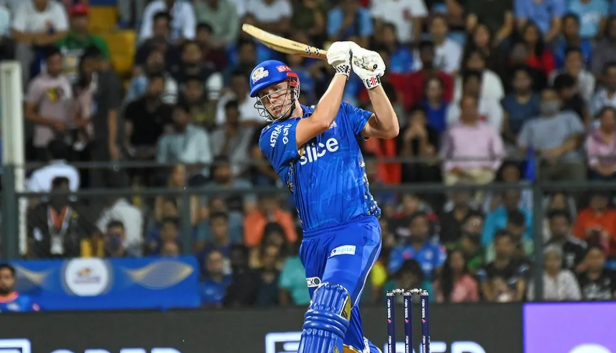
Green has had an amazing IPL career thus far. He contributed wickets and scored 452 runs at a strike rate of 160+ after being acquired by the Mumbai Indians in 2023. Before withdrawing from the IPL 2025 mega auction owing to a back ailment, he contributed balance with both bat and ball a season later at RCB. Now, KKR will hope that he becomes the mainstay of their future strategies
⚡ KKR Strike Again with Matheesha Pathirana
Green wasn’t the end for KKR. Matheesha Pathirana, a speed phenomenon from Sri Lanka, was also acquired for ₹18 crore, making him the second-most expensive purchase of the auction. It’s interesting to note that after releasing Pathirana following IPL 2025, CSK decided not to re-bid on him.
Delhi Capitals withdrew their bid once it surpassed ₹15 crore, and KKR ultimately defeated LSG to acquire the slingy fast bowler. With Green and Pathirana, KKR made it quite evident that they are assembling a formidable team.
🌟 Uncapped Indians Rewrite Auction History
The overseas stars got their fat cheques with a nod, a practised smile. Business as usual. Then the air in the auction room got tight.
When the paddle went up for Prashant Veer—a twenty-year-old whose first-class numbers you’d skim past—nobody blinked. But then Chennai Super Kings held it there. And kept holding. ₹5 crore became ₹10. Then it blew past Avesh Khan’s old mark like it was a speed bump. At ₹14.2 crore, the hammer fell. The room didn’t applaud; it exhaled, a collective release of breath nobody knew they were holding. Before the chatter could even start, they did it again. Kartik Sharma, nineteen. Same dizzying climb. Same jaw-dropping number. Fourteen point two. Again.
Two kids. Twenty-eight point four crore. For talent that was all theory, all shimmering potential in a domestic highlight reel. It wasn’t a purchase; it was a manifesto written in zeroes.
And Delhi Capitals, caught in the frenzy, decided to write their own line. They tossed ₹8.4 crore at Auqib Nabi, a pace bowler from Jammu & Kashmir. That number, for a name known mostly to state cricket die-hards, landed with a different kind of thud. This wasn’t just betting on a player. This was betting on a map, on an idea, on the sheer, terrifying thrill of the unknown.
In living rooms across the country, the calculus of a young cricketer’s dream got rewritten. Not on the back pages, but in the silent, electric moment an uncapped kid’s name makes a veteran CEO gulp and raise a paddle, refusing to let it drop.
🔄 Slow Start, Strategic Middle Rounds
Bidding was conservative in the early stages of the auction. At first, big names like Sarfaraz Khan, Devon Conway, Jake Fraser-McGurk, and Prithvi Shaw were unsold. David Miller was the only well-known talent to find a buyer early and join DC for his base fee of ₹2 crore.
There was little activity in the all-rounders category as well. Venkatesh Iyer, who was previously valued at ₹23.75 crore, was selected by RCB for ₹7 crore, while Wanindu Hasaranga went to LSG for ₹2 crore.
🔁 Accelerated Round Brings Late Fireworks
As expected, the accelerated round injected life into the auction. CSK finally opened their account with Akeal Hosein, before aggressively targeting Indian talent.
Other notable late buys included:
Liam Livingstone to SRH for ₹13 crore
Jason Holder to GT for ₹7 crore
Mustafizur Rahman to KKR for ₹9.2 crore
Josh Inglis to LSG for ₹8.6 crore
Rahul Chahar to CSK for ₹5.2 crore
Even Prithvi Shaw found a way back to Delhi Capitals, returning to his former franchise at his base price.
🧠 CSK’s Patience Pays Off
The team’s strategy, which prioritizes discipline over spontaneity, was aptly summed up by CSK coach Stephen Fleming. CSK waited for the proper opportunity to acquire the players they really wanted, while other teams took advantage of early deals.
The calm approach that has long characterized CSK’s auction philosophy was represented in his “ice cream store” simile, which cautioned against picking a bit of everything.
📋 What the Auction Tells Us
Three distinct patterns emerged on the first day of the IPL 2026 auction:
- All-rounders are still in high demand, particularly those like Cameron Green who provide balance.
- Indian players that aren’t capped are suddenly valuable assets rather than cheap backups.
- Teams that waited wisely frequently found stronger combinations, thus patience is important.
Squads will change in the many games that remain until IPL 2026 starts, but one thing is for sure: this auction has already altered expectations.
🔚 Final Word
The IPL 2026 auction was about more than simply money—it was about preparation, belief, and the future. The league’s next age may be defined by the emergence of young Indian talent, but Cameron Green’s huge deal made headlines.
IPL 2026 looks to be one of the most entertaining and unpredictable seasons yet, if Day 1 is any guide.

Ghananand is the Founder & Chief Editor of NewzStrome. Hailing from Prayagraj, Uttar Pradesh, he brings 1.5 years of hands-on experience in journalism and digital media. He delivers sharp, unbiased, and timely news from India and across the globe. Passionate about investigative reporting, technology, politics, and lifestyle, Ghananand is committed to bringing readers nothing but the truth