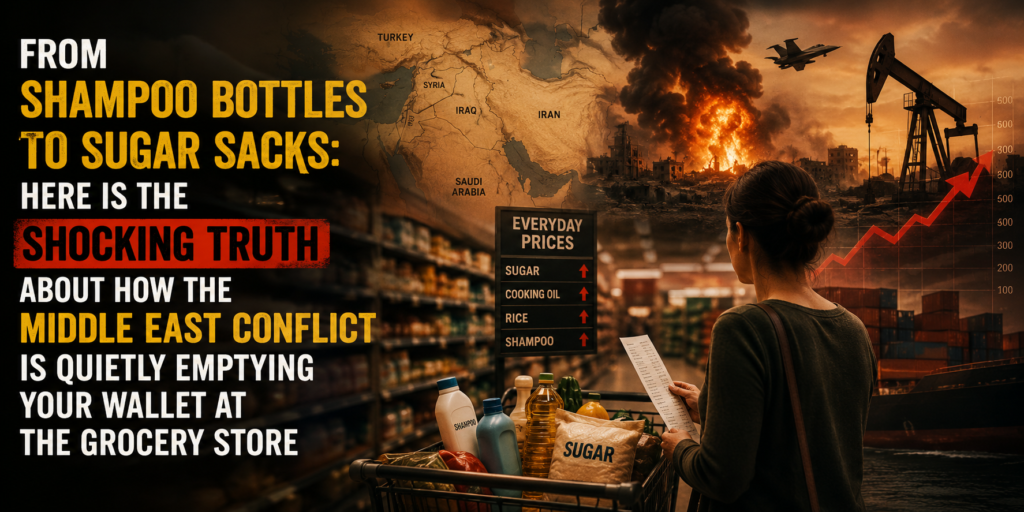
You walked into the supermarket last week, tossed the usual things into your cart — a bottle of shampoo, a bag of rice, maybe some cooking oil — and then stood at the billing counter wondering why the total felt heavier than usual. You are not imagining it. Something is happening far away, in a region many of us only follow through news headlines, and its ripple effect is landing right inside your kitchen cabinet.
Let us talk about it plainly Shampoo.
The Supply Chain Is a Long, Fragile Thread
Shampoo
Most people think of supply chains the way they think of plumbing — invisible until something breaks. The Middle East, specifically the waterways and trade corridors running through it, handles a staggering volume of global goods movement. The Suez Canal alone is responsible for nearly 12 to 15 percent of world trade. When tensions rise in that region, shipping companies do not sit and wait. They reroute.
Rerouting means longer journeys. Longer journeys mean more fuel burned. More fuel burned means higher freight charges. And those higher freight charges? They trickle down to the shelves in your local store, sitting quietly inside the price tag of your shampoo bottle or your bag of lentils.
Why Shampoo Gets Expensive When Bombs Drop
This might sound like a strange connection, but stay with it.
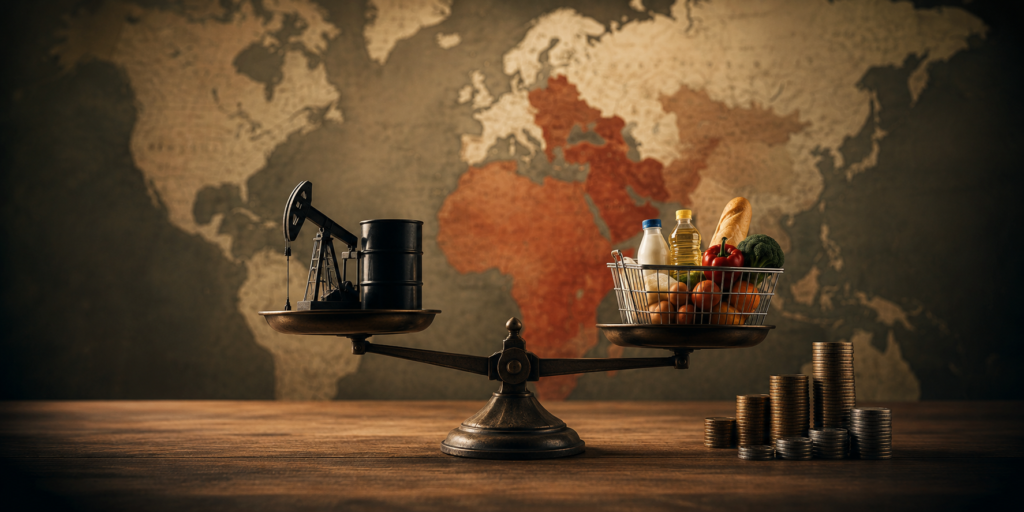
Shampoo is made from petrochemical derivatives — ingredients sourced directly from crude oil and natural gas. The Middle East is Shampoo one of the world’s largest producers of both. When conflict disrupts production zones or creates uncertainty in oil markets, the raw material costs for personal care companies jump almost immediately.
Brands Shampoo absorb some of that cost for a while. Then they quietly increase the MRP. Sometimes the bottle gets 10ml smaller but the price stays the same — a trick the industry calls “shrinkflation.” You are essentially paying more while getting less, and the Middle East conflict is one of the invisible hands behind that sleight.
The Red Sea Problem No One Is Talking About at Dinner
Since late 2023, attacks on commercial vessels in the Red Sea pushed dozens of major shipping lines to abandon the Suez Canal route entirely. Ships began going around the Cape of Good Hope — the southern tip of Africa — adding roughly 10 to 14 extra days to delivery timelines.
That delay sounds minor until you multiply it across thousands of cargo ships carrying millions of tonnes of goods. Ports got congested. Container availability dropped. Insurance premiums for ships entering the Red Sea zone shot up by hundreds of percentage points. All of that cost had to go somewhere.
It went to your grocery bill.
Edible oils, grains, packaged food, soaps, detergents, electronic goods — almost everything that moves between Asia, Europe, and the Americas passes through or near this region. When that corridor gets choked, the entire global retail system feels the squeeze.
Food Prices: The Most Direct Hit
Wheat, barley, and sunflower oil — three staples that form the backbone of affordable cooking across South Asia, Africa, and Europe — are heavily sourced from countries neighboring or trading through the Middle East and the Black Sea corridor. Conflict and geopolitical instability in these zones compress supply and trigger panic buying at the wholesale level.
When large importers start stockpiling out of fear, prices rise before any actual shortage even occurs. Flour gets expensive. Bread gets expensive. And when bread gets expensive, everything that depends on affordable calories — from biscuits to baby food — follows.
For Indian households, this hits particularly hard because cooking oil and pulses prices are already sensitive to global signals. A distant conflict becomes a very local dinner table conversation.
The Fuel Factor: Everything Costs More When Oil Is Nervous
Conflict near oil-producing regions makes crude oil markets jittery. Even if actual production is not disrupted, the fear of disruption is enough to push prices up. Higher crude means higher diesel. Higher diesel means every truck that carries your vegetables from a farm to your city spends more to make that trip.
Transport cost is embedded in the price of almost every physical product you buy. Farmers, distributors, wholesalers, retailers — each one passes the extra cost forward. By the time that bag of onions or that carton of milk reaches you, it carries the weight of global anxiety baked into its price.
What Can You Actually Do About This?
Honestly, you cannot single-handedly fix a geopolitical conflict. But you can shop smarter.
Buy local and seasonal produce wherever possible — it is far less exposed to global freight disruptions. Build small pantry stocks of non-perishables during stable pricing periods. Compare unit prices rather than pack prices to catch shrinkflation early. And stay informed — understanding why prices rise helps you make better decisions and push back against unnecessary price gouging at a local level.
The Bigger Picture
The connection between global conflict and your grocery cart is not abstract anymore. It is real, it is measurable, and it is growing stronger as the world becomes more economically interlinked. Shampoo, sugar, cooking oil, soap — these are not luxury items. They are daily necessities. And when war makes them expensive, it is ordinary families who bear the cost.
The next time you wince at a grocery receipt, know that you are not alone — and that the reasons stretch far beyond your city, your country, and your continent.
Here are 10 SEO-optimized FAQs
FAQ 1 Q: Why are grocery prices increasing due to the Middle East conflict? A: The Middle East Shampoo conflict disrupts major global trade routes, especially the Suez Canal and Red Sea corridor, which increases shipping costs, delays deliveries, and raises the price of raw materials — all of which eventually reflect in your grocery bill.
FAQ 2 Q: How does the Middle East conflict affect shampoo prices? A: Shampoo is manufactured using petrochemical ingredients derived from crude oil and natural gas — both heavily produced in the Middle East. When conflict creates uncertainty in oil markets, the cost of these raw materials rises, pushing up the final price of personal care products like shampoo.
FAQ 3 Q: What is shrinkflation and how is it connected to global conflict? A:Shampoo Shrinkflation is when a brand reduces the quantity of a product while keeping the price the same. Companies use this tactic to quietly absorb rising raw material and shipping costs without alarming consumers — a trend that grows more common during geopolitical disruptions like Middle East conflicts.
FAQ 4 Q: How does the Red Sea crisis impact food prices in India? A: Ships avoiding the Red Sea due to security threats are rerouting around Africa, adding up to 14 extra days per voyage. This increases freight costs and delays imports of edible oils, pulses, and packaged goods — directly pushing up food prices in import-dependent countries like India.
FAQ 5 Q: Which everyday products are most affected by Middle East tensions? A: Products most affected include cooking oil, shampoo, soap, detergent, flour, sugar, packaged snacks, and baby food — essentially anything that relies on petrochemical raw materials or global shipping routes passing through the Middle East and Red Sea region.
FAQ 6 Q: Does conflict in the Middle East affect vegetable and fruit prices too? A: Yes, indirectly. Higher diesel and fuel costs — driven by oil market nervousness during conflict — make transportation more expensive for local farmers and distributors. That added transport cost is passed on to consumers through higher prices on fresh produce like vegetables and fruits.
FAQ 7 Q: What is the Suez Canal and why does it matter for grocery prices? A: The Suez Canal is a vital global waterway connecting the Red Sea to the Mediterranean Sea, handling roughly 12 to 15 percent of world trade. Any disruption to this route forces ships on longer, costlier journeys, increasing the price of imported goods including food and household products.
FAQ 8 Q: How does oil price volatility during conflict lead to costlier packaged food? A: Packaged food production depends on energy for manufacturing, plastic for packaging, and transport for distribution — all tied to oil prices. When crude oil prices rise due to Middle East instability, every stage of the packaged food supply chain becomes more expensive, and that cost reaches the consumer.
FAQ 9 Q: Can buying local groceries protect me from global conflict-driven price hikes? A: Partially, yes. Locally grown and seasonal produce is far less exposed to international freight disruptions and import price spikes. Choosing local over imported goods during periods of global instability is one of the most effective ways to reduce the impact on your household budget.
FAQ 10 Q: How long will grocery prices stay high because of the Middle East conflict? A: Price increases linked to geopolitical conflicts typically persist as long as the conflict continues and trade routes remain disrupted. Once shipping lanes stabilize and oil markets calm, prices tend to ease gradually — but full recovery can take several months to over a year depending on global supply chain conditions.

Ghananand is the Founder & Chief Editor of NewzStrome. Hailing from Prayagraj, Uttar Pradesh, he brings 1.5 years of hands-on experience in journalism and digital media. He delivers sharp, unbiased, and timely news from India and across the globe. Passionate about investigative reporting, technology, politics, and lifestyle, Ghananand is committed to bringing readers nothing but the truth