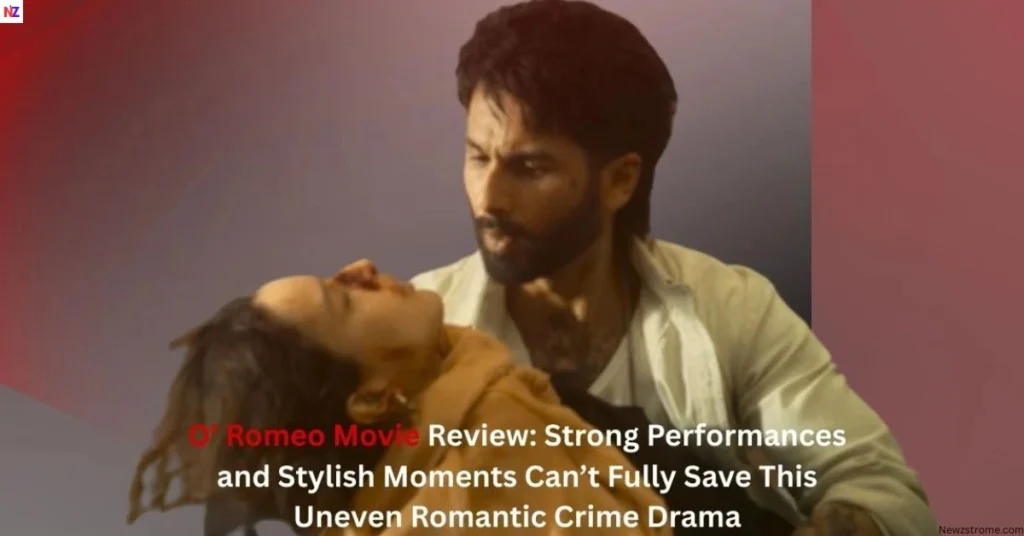
Filmmaker Vishal Bhardwaj has built a reputation for blending poetic storytelling with intense violence, often drawing inspiration from classical literature. With his latest film, he attempts to craft another layered tale of love, revenge, and moral conflict set in the dangerous world of Mumbai’s underworld. While the film delivers flashes of brilliance and gripping performances, it ultimately struggles to maintain emotional depth and narrative consistency.
A Love Story Rooted in Literary Inspiration

The film borrows thematic elements from William Shakespeare’s legendary tragedy Romeo and Juliet, but instead of recreating the classic story, it reimagines the emotional framework within a gritty crime setting. The storyline follows Hussain Ustara, a ruthless contract killer whose life changes when he falls in love with Afshan, a widow driven by revenge and grief. Their relationship is built on shared pain, loyalty, and dangerous ambitions.
The film’s attempt to blend Shakespearean tragedy with stylised violence inspired by filmmakers like Quentin Tarantino adds a unique visual and tonal identity. The combination promises a powerful cinematic experience but often feels stretched and uneven in execution.
Shahid Kapoor Delivers a Magnetic Performance
The biggest strength of the film is undoubtedly Shahid Kapoor, who commands attention with a layered portrayal of Ustara. He captures the character’s internal conflict between brutality and vulnerability with confidence. His entry scenes are striking, and he carries both emotional and action sequences with strong screen presence. His performance stands out particularly during high-energy dance sequences alongside Disha Patani, which add visual flair and entertainment value.
Opposite him, Triptii Dimri delivers a sincere and emotionally grounded performance. Her character carries the emotional backbone of the story, and she convincingly portrays a woman navigating loss and vengeance. However, the screenplay limits her character’s growth, preventing the emotional arc from reaching its full potential.
Supporting Cast Adds Depth but Faces Limitations
Veteran actor Nana Patekar provides some of the film’s most engaging moments as an eccentric intelligence officer. His unpredictable interactions with Ustara inject humour and tension into the narrative. Meanwhile, Avinash Tiwary plays the antagonist with intensity but is ultimately restricted by a script that fails to fully explore his character’s motivations.
The film also features performances from Tamannaah Bhatia and Farida Jalal, who contribute charm and occasional emotional resonance, though their roles feel underdeveloped. The presence of multiple supporting characters adds variety but sometimes disrupts narrative focus.
Storytelling That Feels Familiar and Overstretched
One of the major drawbacks is the film’s lengthy runtime, which slows the pace significantly. Bhardwaj’s signature storytelling style, seen in acclaimed films like Kaminey and Haider, relies heavily on layered emotions and poetic dialogues. While the film includes lyrical writing inspired by Gulzar, the emotional impact feels diluted due to inconsistent narrative momentum.
Additionally, the film draws inspiration from real-life underworld narratives explored in Mafia Queens of Mumbai by Hussain Zaidi. While this adds authenticity to the crime backdrop, the storyline often slips into predictable territory, echoing familiar gangster tropes without offering fresh perspective.
Visual Style and Music Remain Highlights
Despite narrative flaws, the film excels visually. The cinematography captures the dark beauty of Mumbai’s crime world with striking colour palettes and atmospheric framing. The background score and musical elements complement the storytelling, enhancing dramatic tension and emotional undertones.
Final Verdict
The film is an ambitious attempt to blend classical tragedy with modern crime drama. It offers impressive performances, especially from Shahid Kapoor, and contains moments of artistic brilliance. However, the slow pacing, uneven character development, and predictable narrative prevent it from achieving the emotional intensity it aims for.
Fans of Vishal Bhardwaj’s storytelling style may still find value in its poetic dialogues and stylised visuals. For general audiences, the film offers scattered highs but struggles to maintain consistent engagement across its extended runtime.

Ghananand is the Founder & Chief Editor of NewzStrome. Hailing from Prayagraj, Uttar Pradesh, he brings 1.5 years of hands-on experience in journalism and digital media. He delivers sharp, unbiased, and timely news from India and across the globe. Passionate about investigative reporting, technology, politics, and lifestyle, Ghananand is committed to bringing readers nothing but the truth