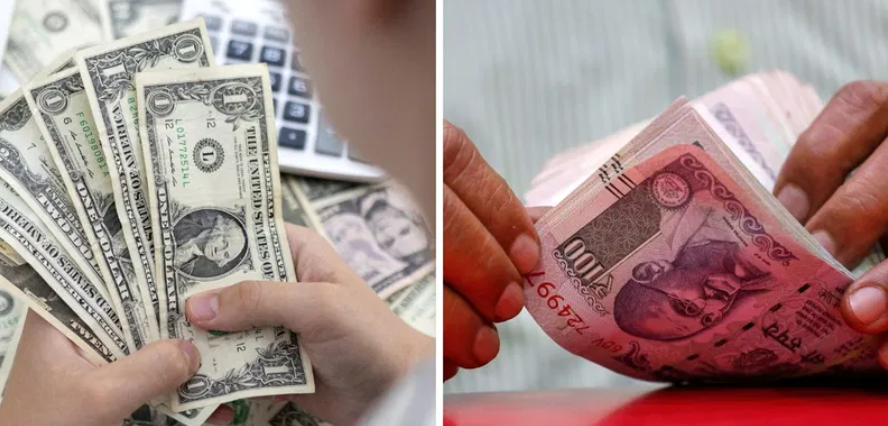
One of the most widely monitored measures of India’s economic health has traditionally been the Indian Rupee, which has once again drawn national attention in recent weeks. The rupee is going through a period of controlled volatility due to shifting global markets, rising crude oil prices, and foreign investors responding to international cues.
We explain everything you need to know about the most recent developments regarding the Indian Rupee, the factors influencing it, and how these changes effect day-to-day living in this comprehensive and easy-to-read article.
📌 Latest Update: How the Rupee Is Performing Today
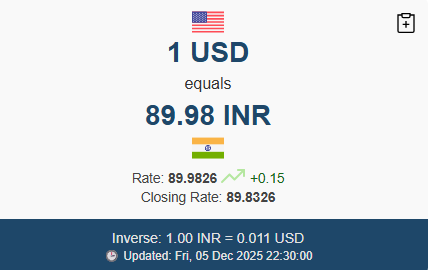
The Indian Rupee fluctuated somewhat against the US dollar in the most recent trading sessions as conflicting signals from the global market continued to affect emerging economies. The rupee was able to maintain a stable range despite brief downturn because of:
Intervention by the Reserve Bank of India (RBI)
Strong currency reserves
Better performance of the domestic economy
The world’s increasing unpredictability over inflation, interest rates, and geopolitical concerns is reflected in the movement of the rupee today.
🌍 Global Factors Driving the Rupee’s Movement

The Indian Rupee is not a stand-alone currency. It responds to significant global events. The top worldwide drivers are as follows:
1. Stronger US Dollar
Currencies like the Indian Rupee are inevitably under pressure as the US dollar gains strength internationally. The Dollar Index has been strong lately because of:
Positive economic data for the US
Anticipations regarding interest rate decisions
Investors are moving toward assets that are safe havens.
A weaker rupee due to a stronger dollar.
2. Rising Crude Oil Prices
Since more than 80% of India’s crude oil is imported, oil prices play a significant role:
India needs more cash to pay for imports when the price of crude oil rises.
This influences the value of the rupee and raises demand for dollars.
One of the main causes of the rupee’s decline has been recent increases in the price of crude oil globally.
3. Foreign Investment Flows
The stock and bond markets in India are heavily influenced by Foreign Portfolio Investors (FPIs). When overseas investors withdraw their funds:
They exchange rupees for dollars.
The demand for dollars rises as a result.
Consequently, the rupee is under pressure to decline.
Due to the uncertainties surrounding global interest rates, FPIs have recently been cautious.
4. Geopolitical Tensions
Currency markets are also impacted by events like wars, interruptions in international supply chains, and shifts in trade regulations. During periods of global uncertainty, investors want safe currencies, which causes emerging market currencies like the INR to momentarily weaken.
📈 Domestic Factors Supporting the Rupee
India’s internal economy continues to provide a solid basis, despite the challenges posed by global influences.
1. Healthy Forex Reserves
India continues to have substantial foreign exchange reserves. High reserves enable the RBI to control unexpected fluctuations and maintain the stability of the currency.
2. Controlled Inflation
The markets are now more confident due to improved inflation figures. Reduced inflation stabilizes the currency and improves market morale.
3. Robust Economic Growth
India’s economy is still one of the fastest-growing in the world. The rupee is doing well thanks to steady GDP growth, robust corporate profits, and a thriving services sector.
4. RBI’s Active Role
To stop severe movements, the Reserve Bank of India regularly steps in. The RBI guarantees stability even though it does not aim for a stable rupee value.
📊 The Rupee vs Other Currencies
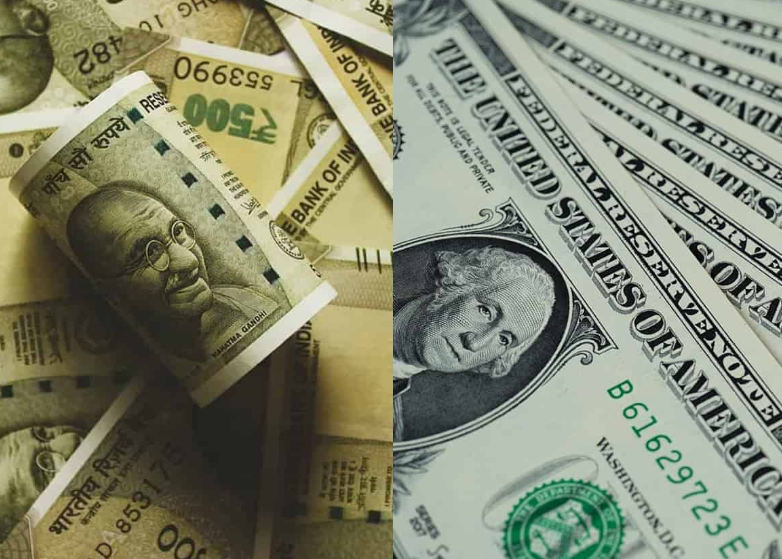
The rupee responds to various currencies even if the USD-INR exchange rate receives the most attention:
Stronger European economic indications have caused a slight depreciation against the Euro.
Depending on UK inflation and policy reports, the performance against the pound has been inconsistent.
Against Asian currencies: Due to comparable international influences, there has been a moderate drop.
This broad perspective demonstrates that several developing market currencies are in the same range as the rupee.
💼 How the Rupee’s Movement Affects Everyday People
Nearly everyone is impacted by the rupee’s value. Here’s how:
1. Impact on Fuel Prices
Oil imports become more expensive as the rupee declines, which could lead to higher costs for gasoline and diesel.
2. Cost of Imported Goods
As the rupee depreciates, electronics, cellphones, imported cosmetics, luxury goods, and machinery may become more costly.
3. Foreign Travelds
When the rupee depreciates, travel to the US, Europe, or other nations becomes more costly.
4. Study Abroad
When the rupee depreciates against the dollar or euro, living expenditures and tuition costs increase.
5. Exporters Benefit
Indian exporters of textiles, IT, pharmaceuticals, and agriculture products may gain when the rupee is weaker, as foreign buyers pay more in rupees.
📰 Market Experts’ Opinions
In the upcoming weeks, analysts predict that the rupee will probably stay in a stable but cautious range. Important points:
Announcements on global interest rates will be crucial.
The largest risk is still the price of crude oil.
India has a promising long-term economic future.
Experts predict that until the world situation drastically deteriorates, the rupee is unlikely to experience a big decline in value.
🔮 Forecast: What Could Happen Next?
A few major factors will determine the rupee’s future:
The next rate decision by the US Federal Reserve
Trends in crude oil worldwide
Inflows of foreign investment
India’s growth and inflation statistics
The rupee may gradually gain value if international markets settle and crude oil prices decline.
📘 Final Takeaway
The solid domestic fundamentals of India continue to support the Indian Rupee as it navigates global concerns. The rupee is anticipated to withstand short-term difficulties because to the RBI’s active assistance, sound foreign exchange reserves, and strong economic performance.
Understanding these currency fluctuations enables readers to stay up to date on how world events affect everyday costs, business choices, and the Indian economy as a whole.

Ghananand is the Founder & Chief Editor of NewzStrome. Hailing from Prayagraj, Uttar Pradesh, he brings 1.5 years of hands-on experience in journalism and digital media. He delivers sharp, unbiased, and timely news from India and across the globe. Passionate about investigative reporting, technology, politics, and lifestyle, Ghananand is committed to bringing readers nothing but the truth