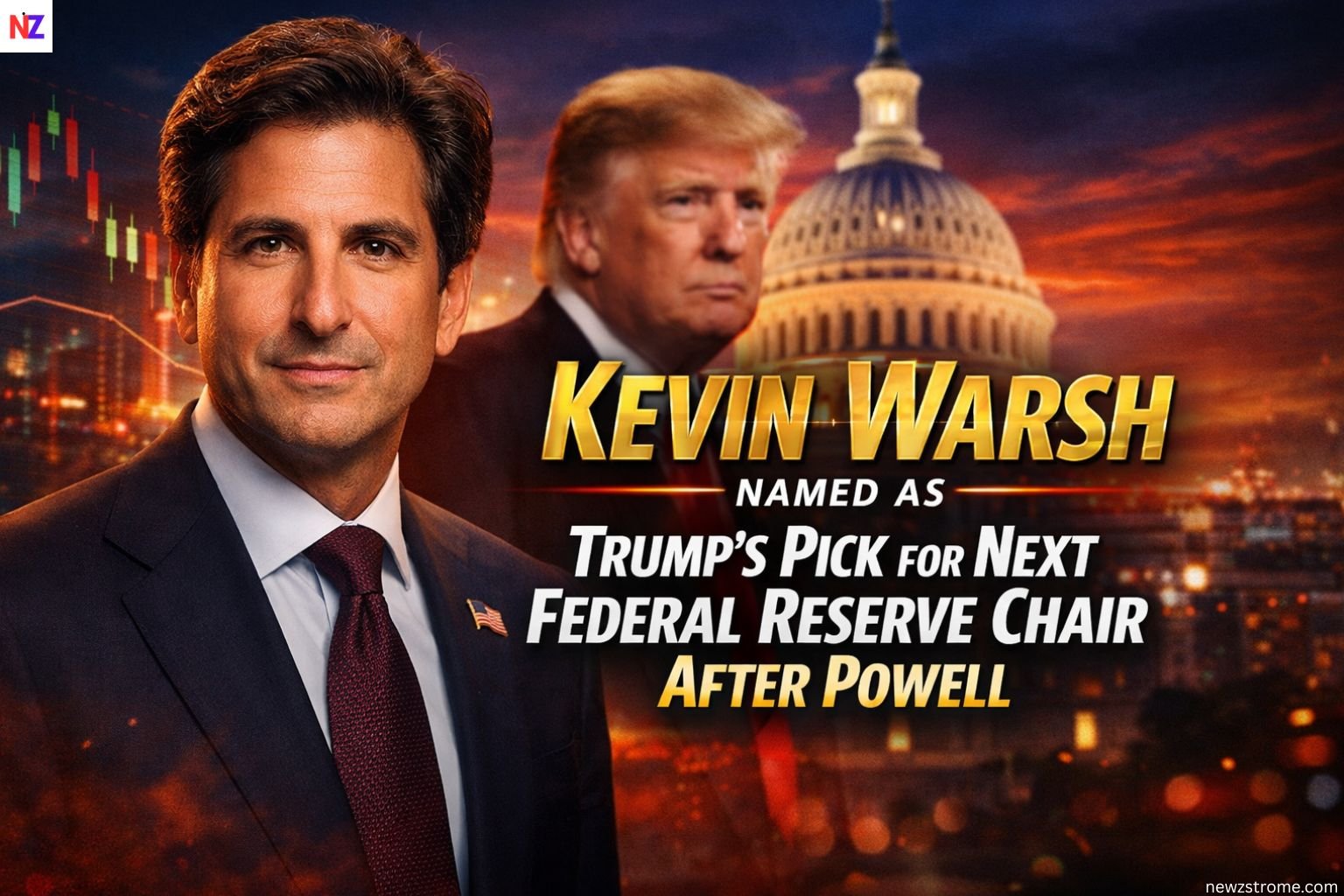
Former Federal Reserve official Kevin Warsh has been nominated by US President Donald Trump to serve as the next chair of the Federal Reserve, a move that could significantly reshape the direction of American monetary policy. Warsh is set to succeed Jerome Powell when Powell’s term as chair expires in May, pending Senate confirmation.
Trump announced the decision on Friday, ending months of speculation around the future leadership of the US central bank. In a social media post, the president praised Warsh’s credentials and experience, calling him a strong choice to lead the Fed during a period of economic uncertainty.
A Familiar Name in Fed Circles
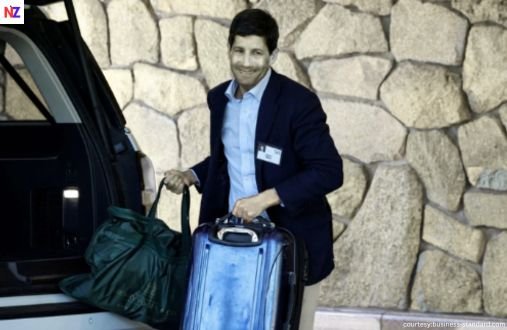
Kevin Warsh, now 55, served on the Federal Reserve Board between 2006 and 2011, a period that included the turmoil of the global financial crisis. As markets unraveled in 2008 and 2009, he was part of the core leadership group tasked with stabilising the US financial system and restoring confidence in the banking sector.
After leaving the Fed, Warsh remained active in economic discussions, emerging as a frequent commentator on monetary policy. He was often critical of extended periods of ultra-low interest rates, warning that such policies could create long-term risks for inflation and financial stability.
During his first term in office, Donald Trump weighed Warsh as a possible choice to lead the central bank but ultimately opted for Jerome Powell in 2017. In the years that followed, Trump grew increasingly vocal in his criticism of Powell, accusing the Federal Reserve of moving too cautiously on interest rate cuts at times when he believed the economy needed stronger support.
A Shift in Warsh’s Position
In recent years, Warsh has softened his position, saying the Fed should now consider lower rates amid slowing growth and rising unemployment risks. He has also been outspoken in criticizing the central bank’s broader agenda, arguing that issues such as climate change initiatives and diversity, equity, and inclusion efforts fall outside the Fed’s core mandate.
Warsh has called for what he describes as a “regime change” at the Federal Reserve, saying its credibility suffered after inflation surged in 2021 and 2022. In a CNBC interview last summer, he said US monetary policy had been “broken for quite a long time,” blaming leadership failures for the inflation shock.
Concerns Over Fed Independence
In recent years, Warsh has softened his position, saying the Fed should now consider lower rates amid slowing growth and rising unemployment risks. He has also been outspoken in criticizing the central bank’s broader agenda, arguing that issues such as climate change initiatives and diversity, equity, and inclusion efforts fall outside the Fed’s core mandate.
Warsh has called for what he describes as a “regime change” at the Federal Reserve, saying its credibility suffered after inflation surged in 2021 and 2022. In a CNBC interview last summer, he said US monetary policy had been “broken for quite a long time,” blaming leadership failures for the inflation shock.
Senate Hurdles and Market Impact
Warsh’s path to confirmation may not be smooth. Republican Senator Thom Tillis has said he will oppose any Federal Reserve nominations until a Justice Department probe involving Powell is resolved. Still, Warsh has received support from other lawmakers, including Senate Banking Committee Chair Tim Scott, who praised his deep understanding of markets.
Financial markets have reacted calmly so far, reflecting confidence that Warsh would maintain institutional continuity. Analysts note that while he may support near-term rate cuts, the Fed’s policy decisions ultimately rest with a broader committee, limiting the chair’s unilateral power.
What Comes Next
If confirmed, Warsh will take charge at a delicate moment for the US economy, with inflation still above the Fed’s 2% target and growth showing signs of strain. How he balances political pressure, economic data, and institutional independence will define his tenure — and the future direction of US monetary policy.

Ghananand is the Founder & Chief Editor of NewzStrome. Hailing from Prayagraj, Uttar Pradesh, he brings 1.5 years of hands-on experience in journalism and digital media. He delivers sharp, unbiased, and timely news from India and across the globe. Passionate about investigative reporting, technology, politics, and lifestyle, Ghananand is committed to bringing readers nothing but the truth