
Gold prices slipped for the second straight session on Friday, giving up some of the momentum built earlier in the week. Despite the dip, the yellow metal is still on track to close the week with solid gains after touching fresh record highs midweek. Silver, platinum, and palladium also witnessed profit-booking after recent rallies, highlighting growing volatility across precious metals.
Gold Prices Ease After Record Run
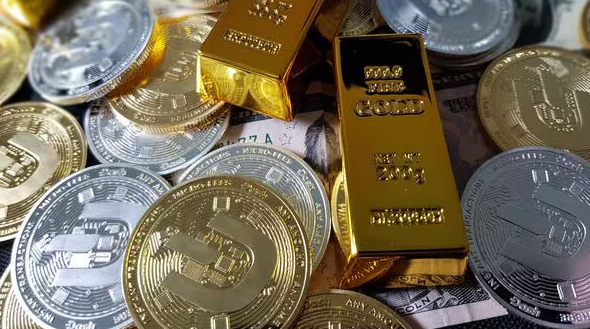
On Friday, spot gold fell 0.2% to $4,604.29 per ounce, while US gold futures for February delivery slipped 0.3% to $4,608.90 per ounce. The decline followed Wednesday’s record peak of $4,642.72, which had been driven by geopolitical tensions and expectations of interest rate cuts.
Even with Friday’s pullback, gold remains poised for a weekly gain of nearly 2%, reflecting strong investor interest amid global uncertainty
Why Gold Prices Are Falling Now
The recent softness in gold prices is largely attributed to stronger-than-expected US economic data, which has reduced hopes of an early interest rate cut by the US Federal Reserve. Data from the US Labor Department showed weekly initial jobless claims fell by 9,000 to 198,000, well below market expectations of 215,000.
This data reinforced the view that the US economy remains resilient, easing pressure on the Federal Reserve to act quickly on rate cuts. According to Kyle Rodda, analyst at Capital.com, gold’s downward move also reflects easing geopolitical risks, particularly surrounding Iran, which had earlier boosted demand for safe-haven assets.
Dollar Strength Weighs on Bullion
The US dollar was headed for its third consecutive weekly gain, adding pressure on precious metals.
At the same time, reports suggested that protests in Iran have cooled in recent days, while US President Donald Trump struck a softer tone on potential military intervention. This reduction in geopolitical stress further dampened safe-haven demand.
ETF Holdings Rise, India Demand Weak
Despite price weakness, institutional interest remains firm. The SPDR Gold Trust, the world’s largest gold-backed ETF, reported its holdings rose 0.05% to 1,074.80 tonnes, the highest level in more than three and a half years. This signals continued confidence in gold as a long-term hedge.
However, physical demand told a different story. Gold demand in India remained muted, as record-high prices discouraged retail buyers. In contrast, bullion traded at a premium in China, where demand stayed steady ahead of the Lunar New Year, traditionally a strong buying period.
Silver Drops After Hitting All-Time High
Silver saw sharper losses on Friday as traders booked profits following a historic rally. Spot silver fell 1.8% to $90.66 per ounce, retreating from its all-time high of $93.57 hit in the previous session.
Despite the drop, silver is still heading for a weekly gain of over 13%, making it one of the strongest-performing commodities this month. According to Vanda Research, silver has become the most crowded commodity trade, with retail investors buying aggressively at elevated levels.
Platinum and Palladium Also Slide
Other precious metals followed suit. Spot platinum declined 2.1% to $2,358.95 per ounce, while palladium dropped 2.9% to $1,748.50, hitting a more than one-week low earlier in the session. The declines reflect broader risk adjustment across metals after recent gains.
Gold Price Outlook for February
Looking ahead to February, analysts expect gold prices to remain volatile but supported, especially if inflation concerns resurface or geopolitical risks flare up again. While strong US data may cap near-term upside, sustained ETF inflows and central bank demand could limit sharp downside moves.
For investors, the current dip may represent consolidation rather than a trend reversal, with gold likely to stay in focus as markets reassess interest rate expectations in the weeks ahead.

Ghananand is the Founder & Chief Editor of NewzStrome. Hailing from Prayagraj, Uttar Pradesh, he brings 1.5 years of hands-on experience in journalism and digital media. He delivers sharp, unbiased, and timely news from India and across the globe. Passionate about investigative reporting, technology, politics, and lifestyle, Ghananand is committed to bringing readers nothing but the truth