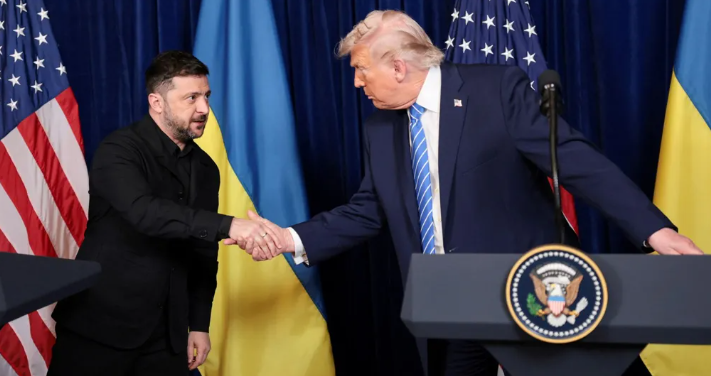
For years, Ukraine has been fighting a war against Russia, which started back in 2014 with the takeover of Crimea and parts of eastern Ukraine. The full-scale invasion in 2022 made things much worse. Now, after months of behind-the-scenes talks led by the United States, there’s a possible peace plan on the table. A big part of this plan involves the U.S. and other allies promising to protect Ukraine for a set period—a “security guarantee.”
Think of a security guarantee like a powerful friend promising to have your back if you’re attacked again. In this case, the U.S. is offering to be that friend for Ukraine for 15 years. President Zelenskyy shared this news, but he admitted he’d feel much safer with a longer promise—maybe even 50 years. His reasoning is simple: a short-term guarantee might not be enough to scare Russia away from trying something in the future. He believes that without these solid promises from powerful friends, the war won’t truly end.
Where the Peace Talks Stand Now
President Trump has said Ukraine and Russia are “closer than ever” to a deal after he met with Zelenskyy. But he also warned that everything could still fall apart. The negotiations are stuck on some very tough issues. Two of the biggest are:
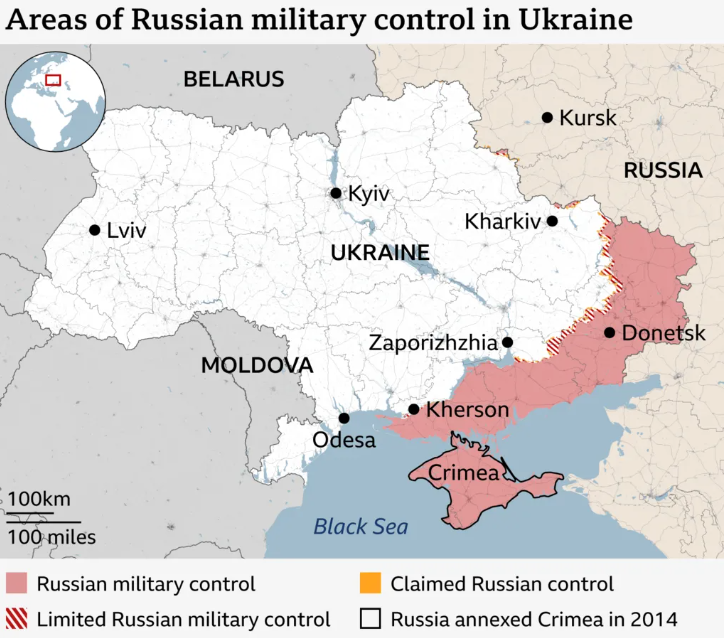
The Map Problem (Who Controls What): They can’t agree on where troops should pull back from. Russia currently holds big chunks of Ukrainian land. Deciding which areas Ukrainian forces get back and which might remain under some form of Russian control is a massive hurdle.
The Nuclear Plant: One of the world’s largest nuclear power plants is in Zaporizhzhia, and it’s occupied by Russian troops. Figuring out who controls it and how to make it safe is a dangerous and complex puzzle.
What Would the Guarantee Actually Look Like?
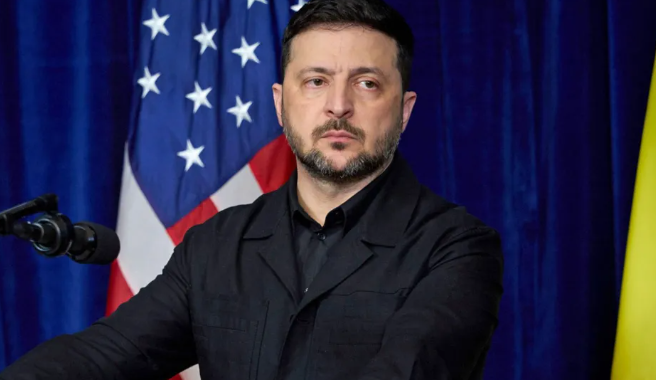
The fine print of the security guarantee isn’t public. Zelenskyy hinted it involves how a peace deal would be watched over and the “presence” of partner countries. This likely means having foreign military advisors, trainers, and likely a lot of weapons stationed in Ukraine to help defend it. This is a red line for Russia, which says it will never accept NATO troops in Ukraine. So, the guarantees are meant to make Ukraine strong enough to defend itself, without necessarily triggering a direct NATO-Russia clash.
These promises wouldn’t be just a handshake deal. Zelenskyy said they’d need to be approved by the U.S. Congress and the parliaments of other countries involved. This is crucial because it makes the promise harder for a future U.S. president to simply cancel on a whim.
Zelenskyy’s Big Ask: Let the People Vote
President Zelenskyy has another important condition. He wants any final peace plan to be put to a national referendum—a vote by all Ukrainians. This makes sense. Ending a war that has cost so many lives is a monumental decision. He believes the people should have the final say on the terms. But there’s a catch: to hold a fair vote, you need a ceasefire for at least 60 days. Right now, Russia shows no interest in a truce unless a full deal is already signed, creating a chicken-and-egg problem.
Meanwhile, What Is Russia Doing?
While these talks are happening, Russia is not sitting still. President Putin is talking from a position of force. He claims his troops are advancing in eastern Ukraine and insists on creating “buffer zones” inside Ukraine along Russia’s border. He says this is to protect Russian regions. In short, he’s pushing for gains on the battlefield to get a better deal at the negotiating table.
The Kremlin also says Putin is expected to talk to President Trump soon, but there’s no plan for him to speak directly with Zelenskyy. This shows that, for now, the U.S. is acting as the main go-between.
The World Watches and Prepares
This isn’t just a U.S.-Ukraine issue. Other allies are involved too. France’s President Macron announced that Ukraine’s allies will meet in Paris in early January to nail down what each country will contribute to these security guarantees. This could include weapons, money, intelligence sharing, and training.
The timing is tight. There’s a push to try to get a deal by late January, before the February anniversary of the full-scale invasion. The hope is to freeze the conflict and prevent another bloody year of war.
In Simple Terms
Imagine a neighborhood where a bigger bully has been attacking a smaller kid. The smaller kid’s powerful friend steps in to mediate. The smaller kid wants a 50-year guard promise to feel really safe. They’re arguing over which yards each gets to keep, and there’s a dangerous, broken fence (the nuclear plant) that needs fixing. The bully is still shoving and pushing during the argument to get a better spot. And the whole neighborhood is getting together to decide how they’ll all help keep watch.
That’s where things stand. It’s a fragile moment with a chance for peace, but huge disagreements on the terms, and no trust between the main fighters. The world is waiting to see if the promise of future protection is enough to end the current bloodshed.
Disclaimer: This article is for informational purposes only and does not constitute investment advice.

Ghananand is the Founder & Chief Editor of NewzStrome. Hailing from Prayagraj, Uttar Pradesh, he brings 1.5 years of hands-on experience in journalism and digital media. He delivers sharp, unbiased, and timely news from India and across the globe. Passionate about investigative reporting, technology, politics, and lifestyle, Ghananand is committed to bringing readers nothing but the truth