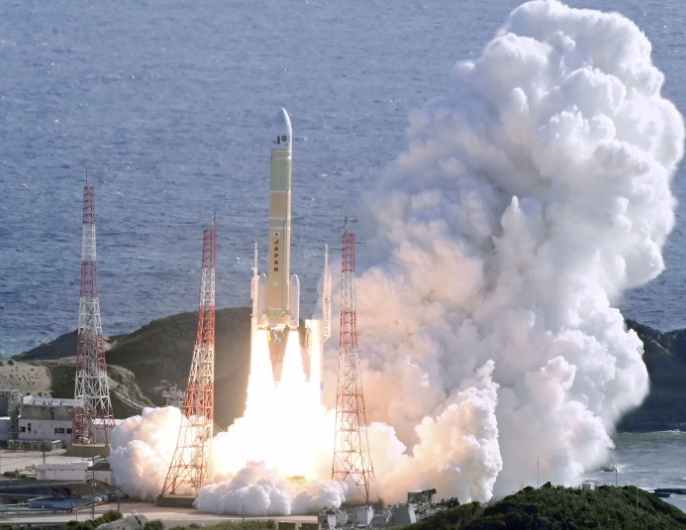
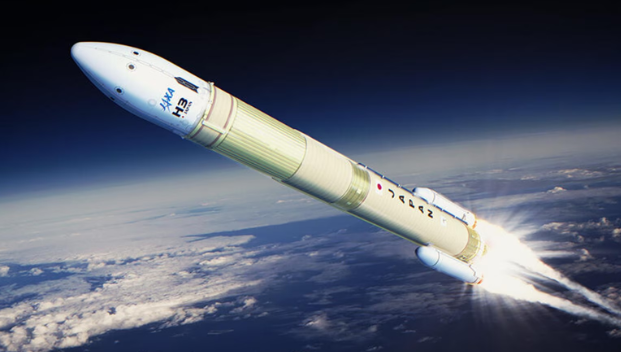
On a quiet Sunday night in Japan, engineers and space enthusiasts watched with hope as the H3 rocket lifted off from the Tanegashima Space Center. It was carrying an important satellite, but things didn’t go as planned. This launch failure is a disappointment for Japan’s space program, but it’s also a story about the challenges of reaching orbit and the importance of resilient technology.
What Exactly Went Wrong?
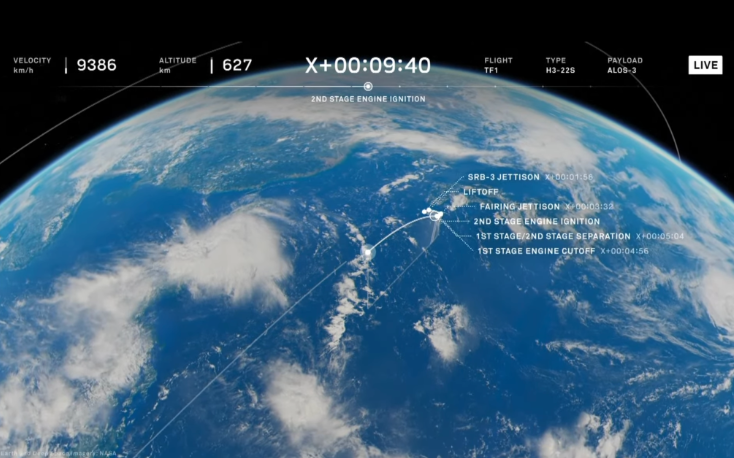
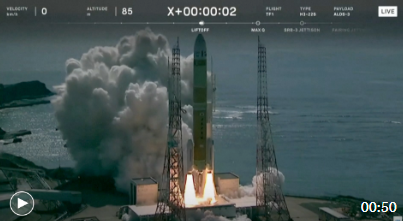
The launch itself started perfectly. The H3 rocket blasted off on time, its first stage firing correctly and dropping away as intended. The trouble began with the rocket’s second stage. Think of a rocket’s second stage as a crucial second push needed to get a satellite into its final, high orbit. This second stage engine needs to ignite twice: once to get into an initial path, and then again later to circularize the orbit.
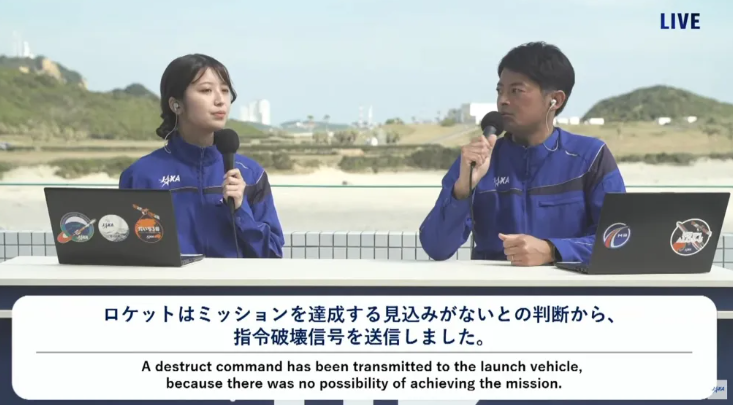
In this case, the second ignition failed. The engine either didn’t start properly or shut down too soon. Because of this, the rocket didn’t have enough power to finish the job. It released the Michibiki 5 satellite, but into the wrong orbit—a path that would be useless for its mission. Essentially, the satellite was left stranded in space, unable to do its job. The Japanese space agency, JAXA, quickly confirmed the mission had failed.
What Was the Satellite For?
The lost passenger, Michibiki 5, was no ordinary satellite. It was a key piece for Japan’s own navigation system, called QZSS, or the “Quasi-Zenith Satellite System.” You’ve probably used GPS on your phone for directions. GPS is run by the United States, and while it works globally, its signals can get weak or blocked in crowded cities with tall buildings or in mountainous areas.
Japan’s QZSS is designed to fix that problem, specifically over Japan and the nearby Asia-Oceania region. It’s like a powerful, specialized GPS backup. The satellites in this system orbit in such a way that one is almost always high in the sky over Japan—hence “quasi-zenith.” This provides a stronger, more reliable signal. The system works hand-in-hand with American GPS, making navigation more accurate and dependable for everything from car navigation and smartphones to farming, construction, and disaster management.
Losing Michibiki 5 is a real blow because Japan is trying to expand this system from four operational satellites to a more robust network of eleven. This satellite was meant to be a part of that growth, making the service even better.
The Rocket's Rocky Road
The H3 rocket itself has had a tough journey. It was built to be the new, more efficient, and cost-effective successor to Japan’s trusted H-2A rocket, which retired after a long and successful career. The H3’s first-ever launch in March 2023 failed, which was a huge setback. The team worked hard, fixed the issues, and managed an impressive comeback with five successful launches in a row.
This recent failure breaks that winning streak. It shows that spaceflight is incredibly difficult, and success is never guaranteed. Even with a proven design, a single small problem with a component or software can lead to mission loss. JAXA and its industry partner, Mitsubishi Heavy Industries, now have to go back, investigate this second-stage ignition problem, and fix it before they can fly again.
What Happens Now?
First and foremost, JAXA has apologized. They expressed deep regret to everyone involved, especially the teams who built the satellite and the public who believed in the mission. This is a standard and important step, acknowledging the cost and effort that was lost.
More importantly, they’ve already set up a special investigation team, led by the head of JAXA himself. Their job is to find the root cause. They’ll pore over thousands of lines of data from the rocket’s sensors, study telemetry, and likely recreate the failure on the ground. They need to understand exactly why that second ignition didn’t happen. Was it a fuel valve issue? A software glitch? A sensor that gave a bad reading? Only after they find and understand the cause can they make sure it never happens again.
For the QZSS navigation system, the immediate plan will likely continue with the four satellites already in space. The system is still operational, just not as robust as planned. Japan will need to build a replacement satellite and wait for the H3 to be cleared for flight again, which could take many months.
The Bigger Picture
While this failure is a setback, it’s not the end of the road. Space history is filled with stories of rockets that failed before becoming reliable. Every spacefaring nation, from the US and Russia to newer players, has gone through this painful learning process. Failures teach engineers more than successes sometimes do. They reveal hidden weaknesses and force improvements that make the rocket stronger in the long run.
Japan’s space program is highly capable. They’ve landed robots on asteroids, supplied the International Space Station, and built reliable satellites. The H3 will be fixed. The QZSS network will eventually be completed. The journey to space is hard, expensive, and often heartbreaking, but the drive to explore and improve life on Earth through technology always pushes teams like JAXA to try again. This chapter is about resilience—picking up the pieces, learning the lesson, and preparing for the next launch day.

Ghananand is the Founder & Chief Editor of NewzStrome. Hailing from Prayagraj, Uttar Pradesh, he brings 1.5 years of hands-on experience in journalism and digital media. He delivers sharp, unbiased, and timely news from India and across the globe. Passionate about investigative reporting, technology, politics, and lifestyle, Ghananand is committed to bringing readers nothing but the truth