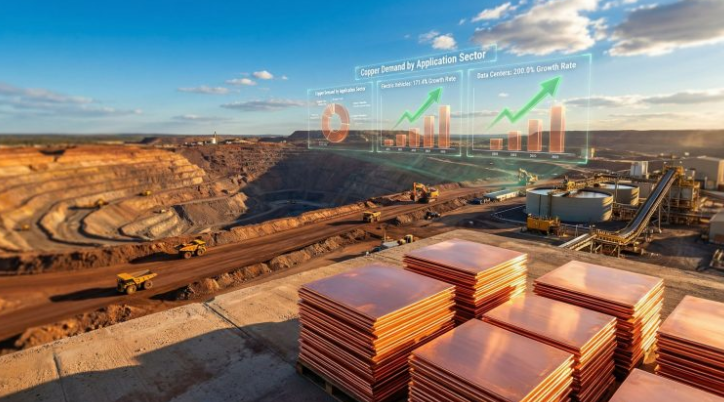
Think of copper as the lifeblood of the modern world. It’s in our homes, our phones, our cars, and the wires that power our cities. Because it’s used in so many industries, its price is a great gauge for the health of the global economy. When copper is expensive and in high demand, it often signals that industrial activity is buzzing. Right now, it’s not just buzzing—it’s screaming. The price just smashed through a ceiling it had never touched before, passing $12,000 per tonne. This isn’t a random spike; it’s the result of a perfect storm of fears and real-world pressures.
The Core Problem: We Might Not Have Enough
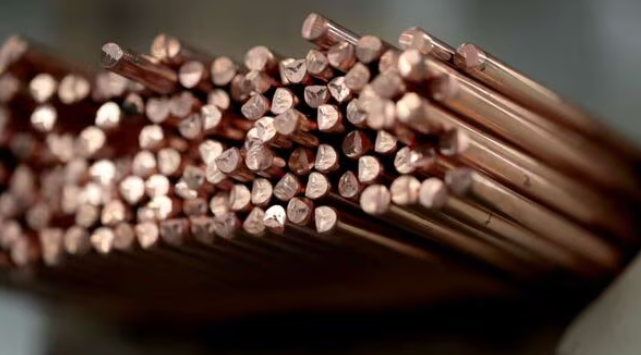
At the heart of this rally is a simple, old-fashioned worry: we might run short. Our modern lives, especially the push for green tech like electric vehicles and wind turbines, need more copper than ever. But getting it out of the ground is getting harder. Analysts have been warning for a while that demand is set to outpace supply in the coming years. Then, starting last October, bad luck hit. Serious accidents and disruptions at some of the world’s biggest mines slashed production. This was like a loud alarm bell confirming everyone’s fears—the supply chain is fragile. Suddenly, the talk of future shortages felt very real and very immediate.
As one bank put it, even if global economic growth is modest, the copper market is looking at “sizeable deficits” ahead. In plain English, we’re going to need more copper than miners can reliably provide. That basic fear of not having enough stuff is a classic recipe for higher prices.
The Tariff Twist: A Political Wildcard
Just as the market was digesting the shortage news, another worry emerged from the political arena. Traders started fretting that if Donald Trump wins the US election, his administration might slap new import taxes, or tariffs, on copper next year. The US doesn’t currently tax raw copper (copper cathode) coming in, but the mere possibility has triggered a frantic game of musical chairs.
Traders and users, trying to get ahead of any new taxes, began shipping huge amounts of copper into the United States to store it there now. This scramble has two effects. First, it creates a local stockpile in the US. Second, and more importantly, it pulls copper away from other parts of the world, like China and Europe, tightening supply elsewhere and pushing global prices up even further. It’s a pre-emptive move that’s making the existing shortage fears worse on a global scale.

The Supporting Cast: A Weak Dollar and Hopeful Signals
A couple of other global factors are giving copper (and other metals like gold and silver) an extra boost. One is the US dollar. When the dollar weakens, commodities priced in dollars—like copper—become cheaper for buyers using other currencies. This tends to increase buying activity, pushing prices up. We’re seeing that play out now.
Another factor is China. As the world’s biggest consumer of raw materials, what happens in China’s economy matters immensely for copper. There are whispers that the Chinese government might introduce more measures to support its economy. For the market, that’s a signal that demand from this crucial buyer might stay strong or even grow, adding another layer of support to the high price.
The Bigger Picture: More Than Just a Metal
What’s fascinating is that copper’s story right now is a tale of two worlds. On one side, you have the very real, physical world of rocks, mines, and industrial demand. On the other, you have the financial and geopolitical world of trade policies, currency values, and speculation. They’re colliding.
The record price is a warning sign. It tells us that the infrastructure for our energy transition and our daily goods is under strain. It also shows how political decisions in one major country can send shockwaves through global supply chains, affecting costs for everyone everywhere.
conclusion
In the end, this rally, which has copper heading for its biggest annual gain since 2009, is a complex mix. It’s part genuine supply crunch, part pre-emptive panic about trade wars, and part reaction to broader economic currents. For industries and consumers, it means the cost of many things—from new homes to electronics—could feel the pinch. For the world, it’s a stark reminder of how interconnected and sensitive the systems that fuel our progress truly are.